Food, Forts, and the Cats of Old San Juan
If you stand inside El Morro today, you can still see a kitchen. It’s a stone room on the plaza level with a wide hearth and thick walls darkened by centuries of smoke. Tourists walk through it quickly, glancing at the interpretive placard, snapping a photo, moving on. Most don’t stop to think about what that room smelled like when it was working. When the fire was burning and the caldero was full and 500 men needed feeding before the next watch.
I think about it every time I visit. I live on the island of Culebra, but Old San Juan is a long wished-for second home. The El Morro food history is personal to me because of Rosana. She’s known as Nana Rosana to the little kittens and “Rosie” to Major Mooch. The Major has always loved her but is way too nervous to let her know that. One day he will…one day….
Rosana is known for many things. She’s brave. She attempted to fight Captain Kitty (the greatest swordcat who ever lived) with an old broadsword from the Great Hall. Her Tuna Fish Pancakes are a popular kitten favorite. But, she’s most known as the cook and caretaker for all the Cats of the Wall. Most of her recipes are real, and they come from a tradition that stretches back to the Taíno people who were here long before the Spanish built their fortress on the headland.
A Fort Built on Fish and Flour
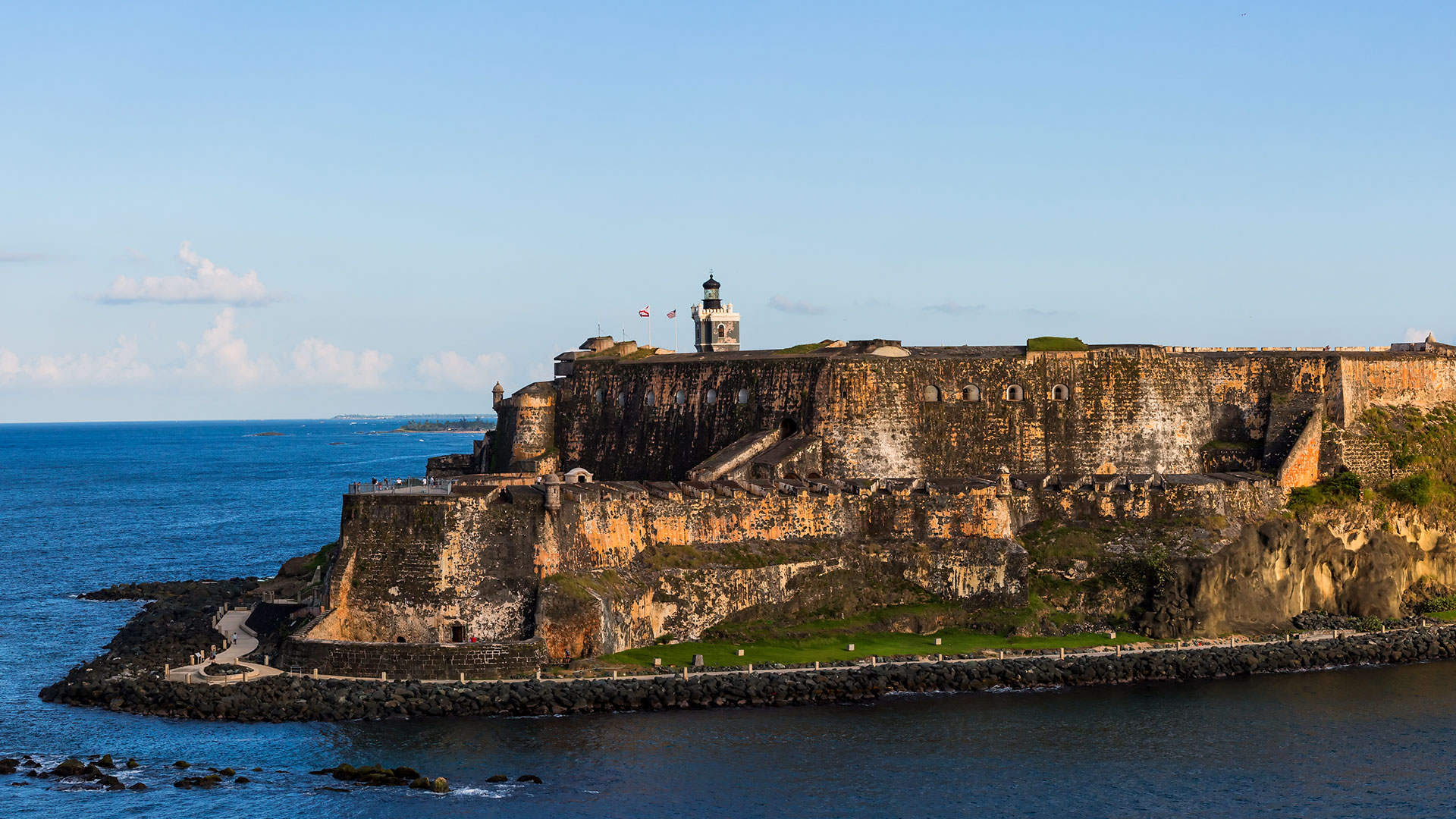
Construction on Castillo San Felipe del Morro began in 1539. That first version was barely a fort at all, just a round tower with four gun openings perched on the rocky promontory overlooking San Juan Bay. Over the next 250 years, it grew into the six-level, 140-foot-tall stone colossus that stands with walls up to 25 feet thick.
Building something that large takes more than engineers and stone. More than a Wizard’s magic or the mighty paws of a great cat king. It takes food. Enormous quantities of it, day after day, for the laborers, soldiers, and prisoners who did the work. The workforce included everyone from paid day laborers to enslaved people to off-duty soldiers and civilians drafted from the surrounding countryside. They all needed to eat, and what they ate tells you as much about colonial Puerto Rico as the cannons do.
Salt, Cod, and Survival
The most important food in colonial El Morro was bacalao, salted codfish. It arrived dried and preserved on ships from the North Atlantic, and it could last for months in a hot Caribbean storeroom without spoiling. The Spanish fed it to soldiers and enslaved laborers alike because it was cheap, calorie-dense, and nearly indestructible. It was also standard fare on Catholic holy days, when meat was forbidden.
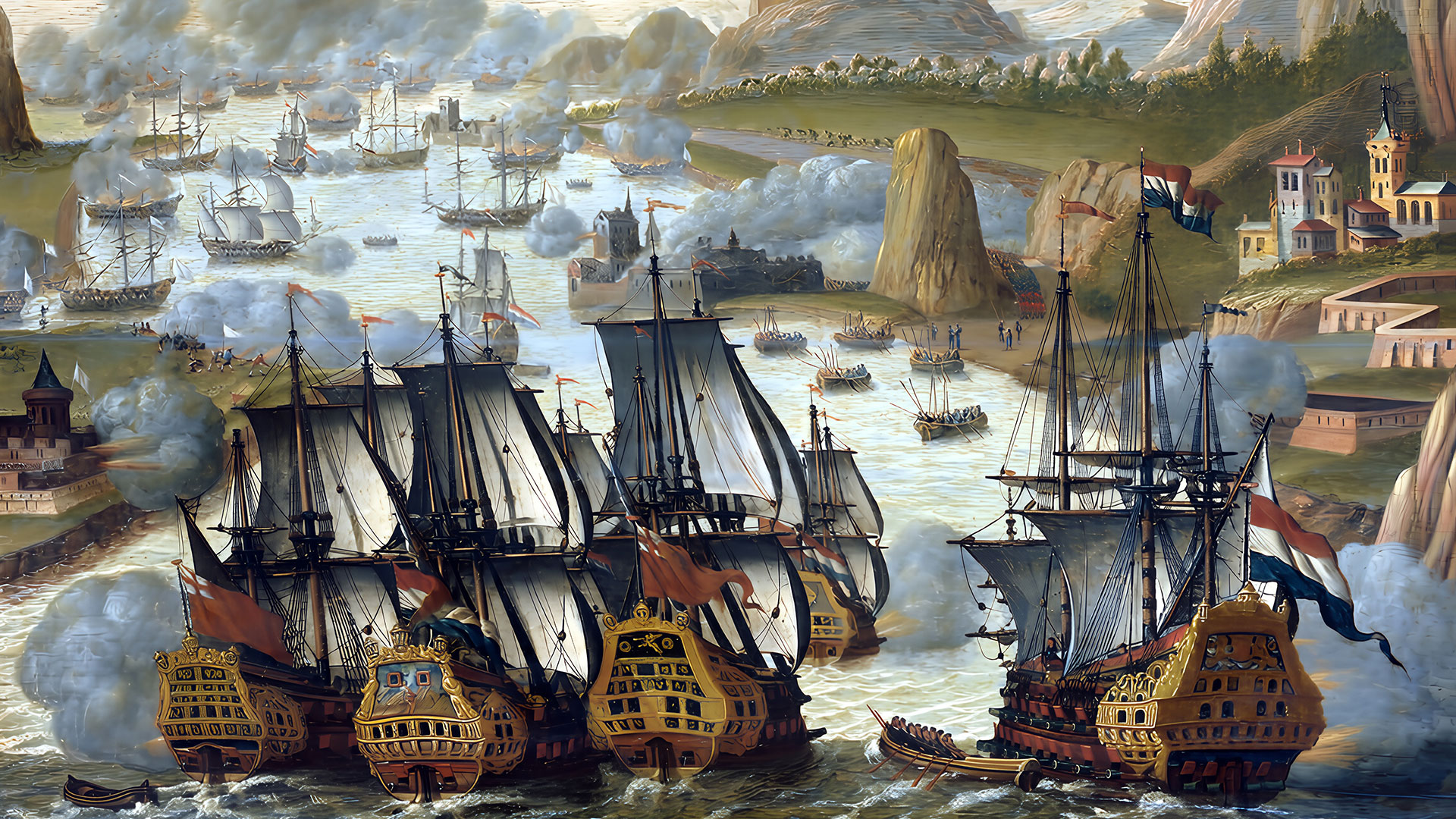
Beyond bacalao, the garrison’s diet relied on whatever could survive the voyage from Spain or be produced locally. Rice, beans, salted pork, hardtack, olive oil, garlic, and wine made up the bulk of military rations across the Spanish Caribbean. Fresh vegetables were scarce and spoiled quickly in the heat. When the Earl of Cumberland invaded Puerto Rico in 1598 and briefly captured El Morro, his own soldiers were defeated not by Spanish swords but by the food. Contaminated provisions triggered a dysentery outbreak so severe that Cumberland had to abandon the island after just two months.
Food won that battle. The fort itself held.
What the Cats Ate
The real cats of El Morro have always eaten what the fort provides. Today, that means food left by volunteers and tourists, supplemented by the colony caretakers at Save A Gato. In the 1700s, it would have been scraps from the garrison kitchen, supplemented by whatever a resourceful cat could catch. Rats were plentiful. So were lizards, insects, and the occasional bird foolish enough to land on the ramparts.
Fort cats served a practical purpose. They kept the vermin population down in the storerooms where grain, hardtack, and salted meat were kept. A rat in the bread room could spoil provisions for an entire company. The cats earned their meals. Of course, we don’t include the Soggy Sea Rats among these food-spoiling miscreants.
In my books, the El Morro food history gets reimagined through the kitchen of Rosana, the cook for the Cats of the Wall. Rosana’s kitchen sits deep inside the fort, and she runs it the way any good Puerto Rican runs her cocina: with an iron skillet, sharp opinions, and the unshakeable belief that no problem is so bad it can’t be improved with a reasonable attitude and a proper meal.
Rosana’s Famous Tuna Fish Pancakes
As I mentioned above, the signature recipe in Rosana’s Kitchen is her tuna fish pancakes. They show up throughout the series, usually at moments when someone needs comfort or the world has gone sideways. Rosana makes them for the Cats of the Wall the way my own family makes comfort food: without measuring anything, adjusting by feel, and insisting that the secret ingredient is love, which it is, but also garlic.
The recipe itself draws from real Puerto Rican cooking traditions. Fish fritters and fish-based pancakes have deep roots on the island. Bacalaítos, the crispy codfish fritters sold at food stands across Puerto Rico, are made by mixing salted cod into a thin batter and frying until golden. The tradition of fish fritters on the island draws from Taíno, Spanish, and African cooking influences. Rosana’s version swaps the cod for tuna, because she’s a cat, and cats have strong opinions about tuna.
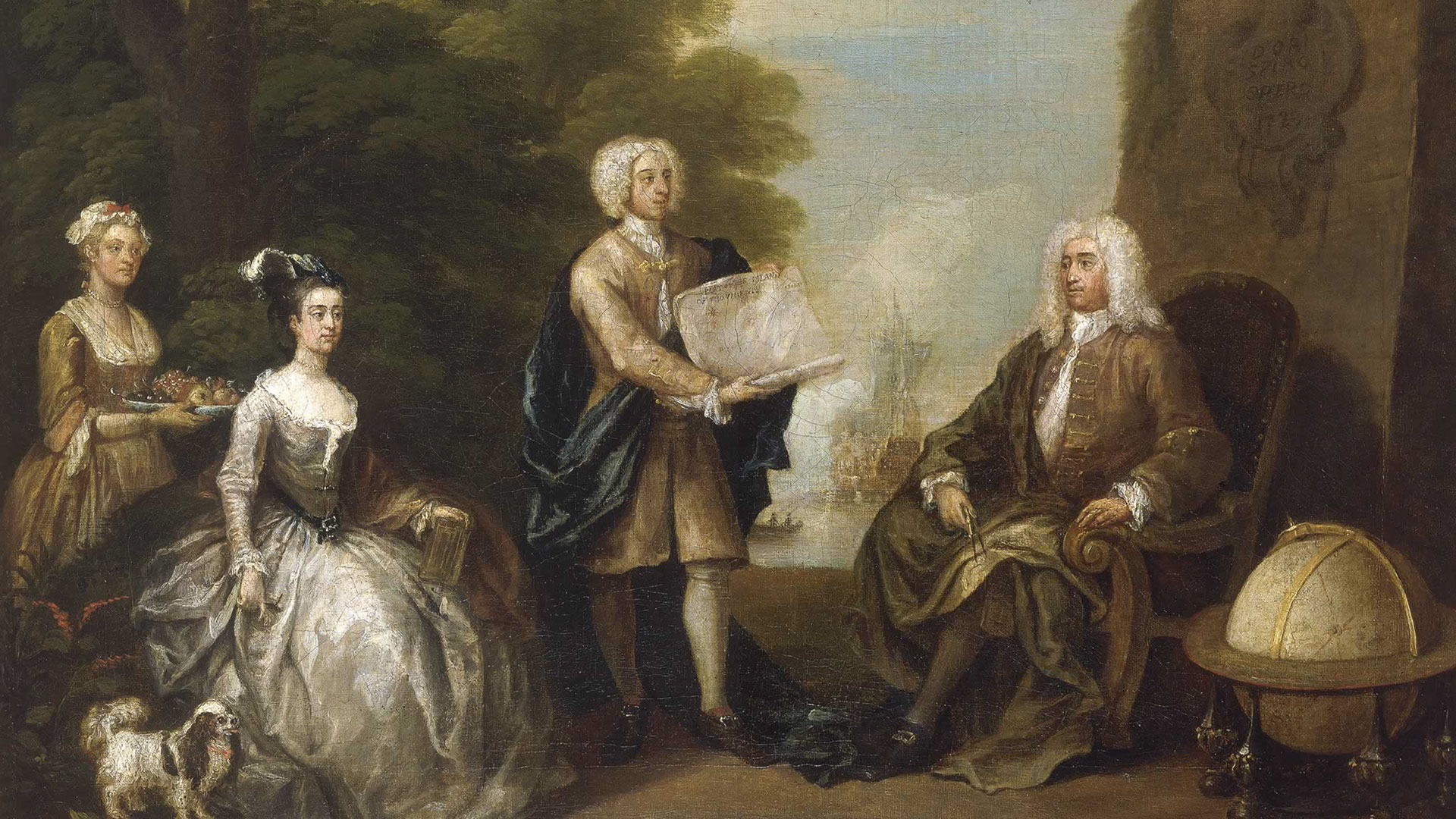
In Book 4, The Cats of Yore, the kittens travel back to the 1720s, and Alfie ends up in the pirate ship’s galley with a cook named Withers who has been producing meals so terrible that the crew was about to maroon him. Alfie teaches Withers to make Rosana’s tuna fish pancakes, which is one way the recipe survives into the present day. Food is the thread connecting the centuries, but Rosana has always been the original cat-inventor.
Three Cultures on One Plate
What makes Puerto Rican food so distinctive is that it comes from three separate traditions that collided on one small island and had to figure out how to share a kitchen.
The Taíno people, who were here centuries before the Spanish, farmed root crops like yuca, yautía, and sweet potato. They grew beans, peppers, and culantro. They roasted fish over open fires on wooden grates, a method that likely gave us the word “barbecue” (from the Taíno word barbacoa). The Taíno cooked in heavy ceramic pots, a tradition that evolved into the caldero still found in every Puerto Rican kitchen.
The Spanish brought pigs, chickens, cattle, olive oil, garlic, rice, and wheat. They also brought bacalao and the preserving techniques that made long-distance food storage possible. The military fort system depended on these preserved foods to keep garrisons fed through hurricane seasons and naval blockades.
Enslaved Africans brought frying techniques, plantains, and the deep tradition of making something extraordinary out of whatever ingredients were available. Mofongo, one of Puerto Rico’s most iconic dishes, descends from the West African fufu, a pounded starch that was adapted with Caribbean plantains and pork.
The El Morro food history is really the history of all three traditions meeting inside those thick stone walls, mixing in the heat, and producing something entirely new.
Cooking in a Fortress
If you visit El Morro and walk through the gate into the main plaza, you’ll find the kitchen in one of the casemates surrounding the courtyard. It’s a stone room with soot-darkened walls, right there among the barracks, the chapel, and the powder magazine.
The soldiers cooked over open hearths fueled by wood and charcoal. Fresh water came from cisterns under the hillside, that collected rainwater, supplemented by springs. The bread room, where dry goods were stored, had to be kept as cool and dry as possible in a climate that works against both of those goals constantly.
When I was building Rosana’s kitchen for the books, I spent a lot of time in those rooms, imagining them alive. The heat of the fire. The clang of the caldero. The smell of fish frying in garlic and olive oil. Smoke curling along the stone ceiling. That kitchen fed hundreds of people for hundreds of years, and now it’s quiet, but the walls remember. Rosana’s own kitchen is part of the world of the cats, and is located deep below the hillside. You can find it on the map at the front of your book.
Try It Yourself
You can find Rosana’s Famous Tuna Fish Pancakes recipe on the Rosana’s Kitchen page at catsofoldsanjuan.com. The recipe is bilingual (use the language switcher at the top of the page), comes with a printable recipe card, and connects to the trail map showing where each recipe comes from in the world of the books.
If you make them, I’d love to see it. There’s something satisfying about eating the same food a fictional cat has been cooking inside a very real fort for over 300 years. Post to Instagram and tag me at @elmorrocat.
What Comes Next
This is the first in a series of posts connecting the recipes in Rosana’s kitchen to real Puerto Rican food traditions and the places that inspired them. Next up: what pirates actually ate at sea, why it was terrible, and how a cook named Withers almost got marooned for his stew. If you’ve ever wondered what “hair of the dog” tastes like or why hardtack can break your teeth, that one’s for you.
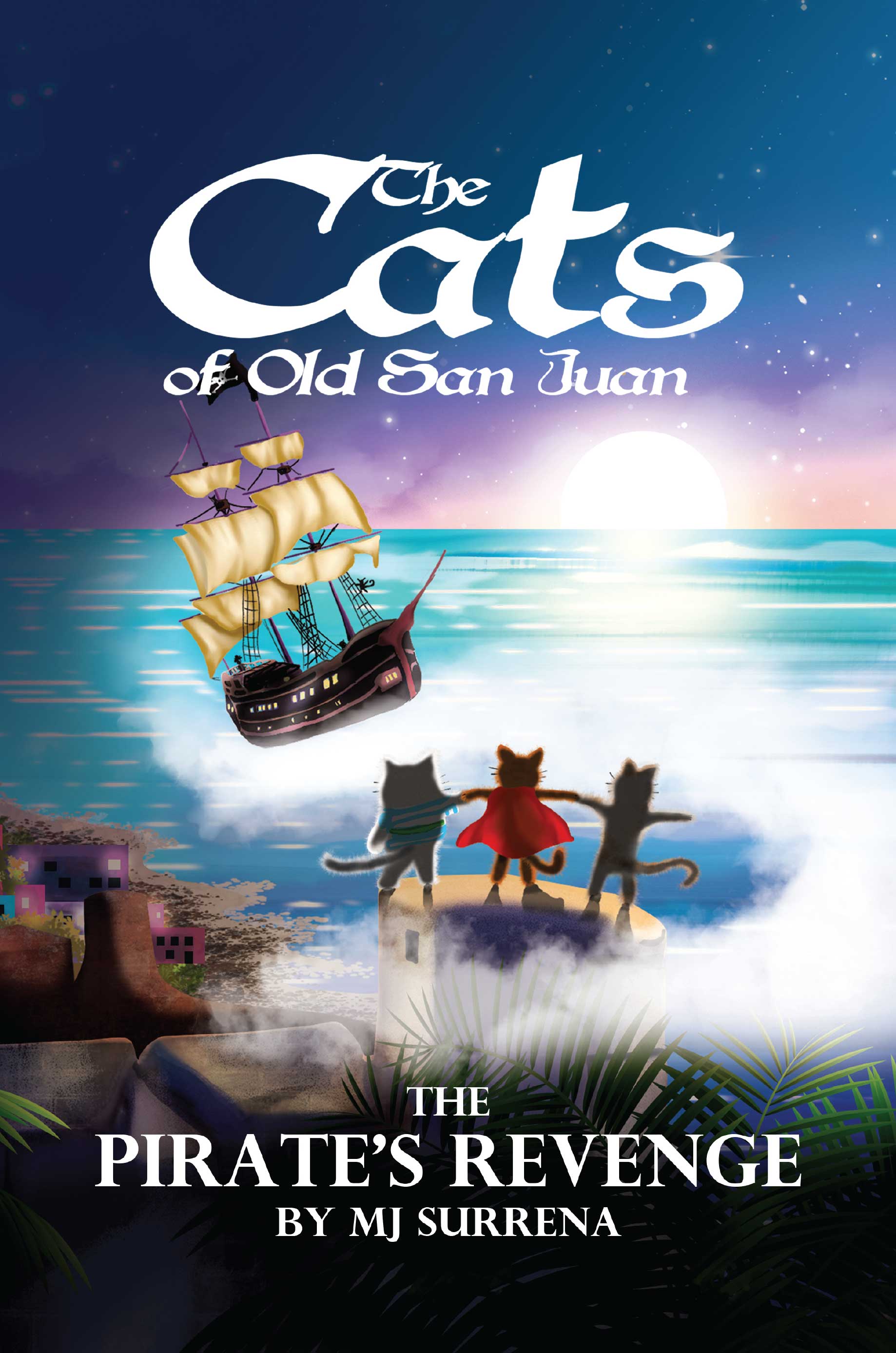
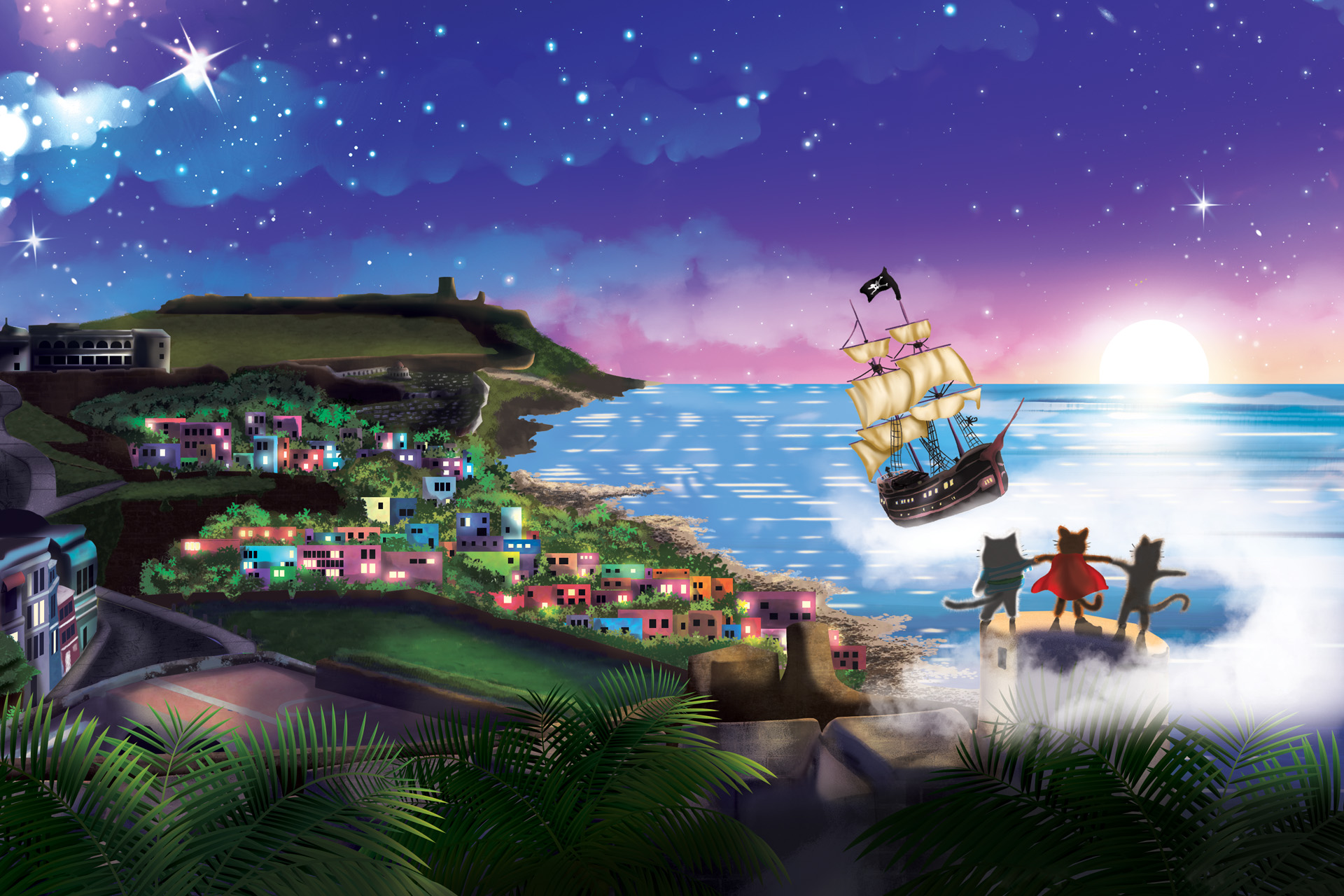
🐱 Rosana’s kitchen lives inside El Morro, in the secret kingdom of the Cats of the Wall. See where it all begins in The Pirate’s Revenge, the first book in The Cats of Old San Juan series. Signed hardcovers with full-color illustrations are available!